Spine Typeface: A Unique Sans Serif for Handmade Brands and Printables
When you are designing physical products, digital downloads, or custom client work, the typography you choose does more than just convey words—it sets the entire tone of your brand. For many of us in the crafting community, finding a font that balances artistic flair with commercial viability can feel like searching for a needle in a haystack. Enter Spine, a truly unique typeface that brings a distinct visual personality to any project. As a Sans Serif font designed with art lovers and creators in mind, Spine offers a versatile foundation for everything from elegant wedding invitations to rugged farmhouse signs.
Understanding the Visual Personality of Spine
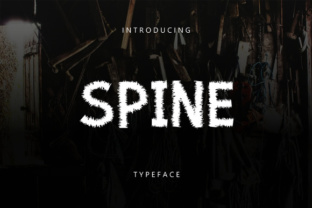
Spine is not your average utilitarian sans serif. While it maintains the clean lines and readability associated with modern typography, it possesses a subtle character that prevents it from feeling sterile or corporate. This "artistic" quality makes it particularly appealing for handmade sellers who want their products to feel curated and intentional. The letterforms likely carry a slight geometric precision mixed with organic warmth, allowing them to stand out without shouting. This balance is crucial when you are creating design assets that need to look premium on a small product label or impactful on a large poster.
Because Spine is described as perfect for those who like art, it suggests a level of sophistication that elevates standard craft projects. Whether you are using it for logo design or packaging design, the font adds an immediate layer of professionalism. It avoids the overly decorative traps of some display fonts, ensuring that your message remains clear while still looking stylish. This makes it an excellent choice for brand identity projects where consistency and recognition are key.
Practical Applications for Crafters and Sellers
The versatility of Spine allows it to shine across a wide array of physical and digital products. Here is how this typeface can transform specific craft categories:
- Product Labels and Stickers: For candle labels, soap tags, or boutique product stickers, clarity is king. Spine’s sans serif structure ensures that ingredient lists, weights, and care instructions remain readable even at small sizes. Its unique flair adds a touch of luxury that justifies a higher price point, making your handmade goods look store-bought and high-end.
- Invitations and Stationery: Wedding welcome boards, birthday invitations, and formal event stationery benefit greatly from the elegance of Spine. It works beautifully for headings, names, and dates. When paired with ample white space, the font exudes modern sophistication, perfect for minimalist wedding themes or contemporary baby showers.
- Wall Art and Home Decor: Creating printable wall art or vinyl decals for farmhouse signs requires fonts that hold up well in larger formats. Spine serves as an excellent display font for short phrases, inspirational quotes, or family names. Its strong presence ensures that the text becomes the focal point of the design, drawing the eye immediately.
- Seasonal and Holiday Designs: Whether you are designing holiday product packaging for Christmas or Easter egg tags, Spine adapts well to seasonal themes. Its neutral yet stylish nature allows it to blend seamlessly with various color palettes, from pastel spring tones to bold winter reds and greens.
Readability and Production Considerations
As a creator, you know that a beautiful design on screen doesn’t always translate perfectly to a physical product. With cutting machines like Cricut or Silhouette, fine details can sometimes get lost in the cut. Because Spine is a Sans Serif font, it generally offers good structural integrity for vinyl cuts and laser engraving. However, it is important to test your designs before mass production. For small stickers or intricate SVG-style designs, ensure that the spacing between letters (kerning) is sufficient to prevent overlapping cuts.
For printed materials such as greeting cards, planner pages, and digital printables, Spine’s clean lines reproduce well on both home inkjet printers and professional offset presses. When preparing mockup previews for your Etsy shop or online store, use Spine to demonstrate how the font looks in real-life contexts. High-resolution files are essential, so always export your designs in PNG or PDF formats to maintain the crisp edges of the typeface.
Strategic Font Pairing for Enhanced Design
One of the most powerful ways to use Spine is by pairing it with complementary typefaces. Since Spine is a unique sans serif, it pairs exceptionally well with contrasting styles to create visual hierarchy. Consider pairing Spine with a flowing script font or a handwritten font for accents. For example, you might use Spine for the main body text or titles of an invitation, and pair it with a romantic script for the names or decorative flourishes. This combination bridges the gap between modern cleanliness and personal warmth.
Alternatively, if you want a more traditional or rustic look, try pairing Spine with a simple serif font. This contrast can add depth to your design assets, making the sans serif elements pop against the classic curves of the serif. For logo design, this technique helps in distinguishing the brand name from the tagline, creating a balanced and memorable brand identity.
Technical Details and Commercial Licensing
Before purchasing Spine, it is wise to check the included styles, alternates, ligatures, and swashes. A robust font family provides you with more creative freedom, allowing you to tweak designs without needing additional purchases. If Spine includes multilingual support, this is a significant advantage for sellers targeting international markets or creating products with diverse text requirements. Ensure the file formats provided (such as OTF, TTF, or WOFF) are compatible with your preferred design software, whether that is Adobe Illustrator, Canva, or Procreate.
A critical note for all sellers: always review the commercial font licensing agreement. Most premium fonts allow for the sale of physical products created with the font, such as printed shirts, mugs, tote bags, and packaged goods. However, selling the font file itself or offering it as a standalone digital download is typically prohibited. Understanding these terms protects your business and respects the designer’s intellectual property. By choosing a commercial font like Spine, you are investing in a tool that supports your growth as a handmade seller while adhering to legal standards.
Conclusion
Spine stands out as a valuable addition to any crafter’s toolkit. Its ability to merge artistic charm with practical readability makes it ideal for a wide range of applications, from intimate stationery to bold signage. By leveraging its unique characteristics and pairing it thoughtfully with other fonts, you can elevate your products, enhance customer appeal, and build a cohesive brand presence. Whether you are updating your current design assets or starting a new line of printables, Spine offers the reliability and style needed to succeed in today’s competitive crafting market.